Paper, Boards & Envelopes




Which types of papers, boards, and envelopes are most suitable for high-end printing projects?
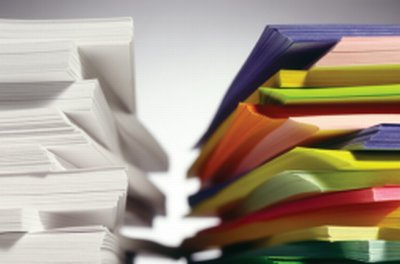
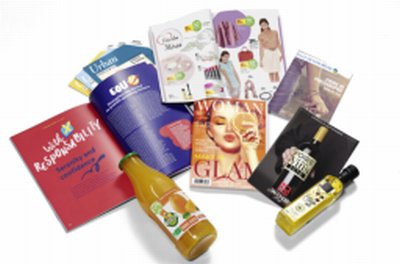
When it comes to high-end printing, choosing the right grade and finish significantly impacts the project's quality and aesthetic. For projects requiring vibrant colours, and precise detail and an attractive base, coated paper (gloss or silk coated) provides a smooth surface with an eye-catching finish that enhances colour brilliance and sharpness, making them ideal for brochures, catalogues, and premium product packaging.
SBS (Solid Bleached Sulphate) boards are an excellent choice for premium packaging or presentation folders, as their high-grade bleached construction offers a smooth, white surface that supports superior print quality. SBS boards not only print well but are also highly durable and versatile, suitable for a variety of luxury packaging applications.
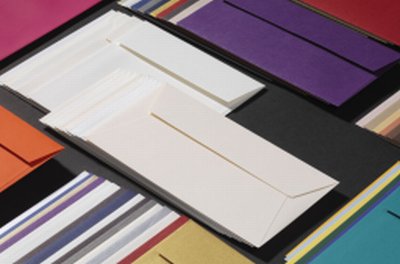
For projects that call for a refined, tactile finish, uncoated paper products and premium boards bring a sense of sophistication and durability. Fine grades, such as textured, laid, linen, or creative finishes, offer a distinct touch of sophistication and enhance the perception of quality. Pairing these with textured or tinted envelopes adds an additional layer of elegance, making a memorable impression that aligns with high-end branding.
Incorporating quality grades that include certifications such as FSC(R), PEFC(TM) also reflect a commitment to sustainability and low impact manufacture, aligning with the values of many consumers. This attention to grade and sustainability helps ensure each printed piece is not only visually impressive but also aligned with brand values and client expectations.
What are sustainable options for paper, boards, and envelopes?
Paper is a truly sustainable resource and now there is a huge range of environmental certifications to reassure consumers that the product they select is from a sustainably managed source in both virgin fibre and recycled forms. For those who favour a product made from post-consumer waste, recycled uncoated papers are a popular choice for a range of applications. Recycled greyboards provide durability and sustainability, making them ideal for packaging and displays. In the realm of mailing, recycled envelopes can offer an excellent solution.
By selecting sustainable options like these, whether it be a virgin fibre or recycled option companies can meet the growing consumer demand for responsible practices and align with their own environmental goals and supporting sustainable products and forestry.
How is paper weight measured, and why is it important for printing?
GSM (grams per square metre) is the standard measure of paper weight, and it plays a significant role in determining the paper's suitability for various printing tasks. Heavier papers, like those over 160 GSM, are typically used for postcards, flyers, and brochures, providing a sturdy feel and a professional look. For luxury packaging, business cards and presentation materials (paperboard), a weight above 250 GSM is often preferred. In addition to GSM, micron thickness (calliper) is a key metric for paper and boards, indicating their bulk and rigidity, which is critical for applications like cartons and displays. Higher GSM and micron values provide the durability and tactile quality essential for premium print projects, ensuring that the finished product has a superior look and feel.
Lighter papers, such as those between 70-90 GSM, are more economical and are used for everyday office printing tasks like letters, internal communications or direct mail. Traditionally, there has been a strong preference for 80 GSM papers, however, enhanced machine technology and improved product specification has enabled end-users to select a lighter weight paper without compromising quality.
Choosing the correct paper grade and weight will ensure that your printed documents attain the desired result, meeting your expectations whilst ensuring value for money.
Tools, services and useful links
Popular Brands
















UPM Raflatac

Curious Collection