
Can retail displays be sustainable?

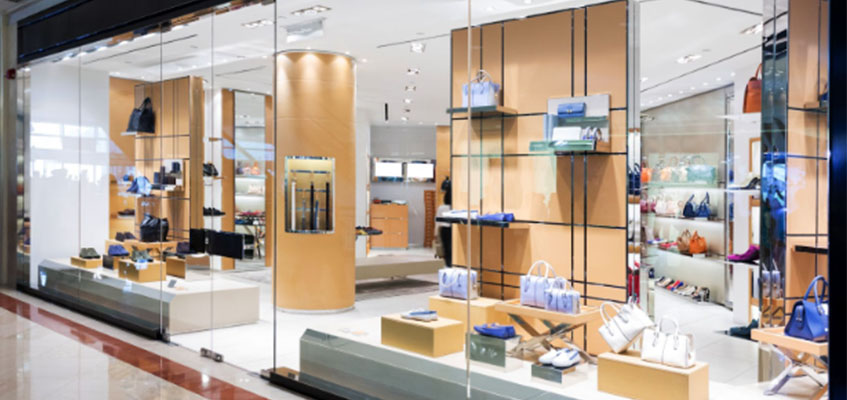
In an industry with stiff competition, it’s every retailer’s ambition to have the best displays so they can attract more customers and ultimately make more sales. Bright colours, eye-catching designs and snappy slogans can all help with this - but did you know that the sustainability of the materials used in your displays can also have a big impact?
In an industry with stiff competition, it’s every retailer’s ambition to have the best displays so they can attract more customers and ultimately make more sales. Bright colours, eye-catching designs and snappy slogans can all help with this - but did you know that the sustainability of the materials used in your displays can also have a big impact?
What is the issue with traditional retail displays?
For those retailers who are already kitted out with all the traditional retail displays they need, it can be hard to think about letting go of that sunk cost to replace them with more sustainable alternatives. However, one way to make the benefits of switching clear is to consider the problems that traditional retail displays pose.
These include:
- Use of unsustainable materials - this relates to designs which rely upon resources that are finite or not easily renewable.
- Disposal concerns - this focuses on displays made up of materials that are difficult to recycle or reuse, those that take a long time to break down or those that release harmful substances into the environment.
- Cost - as the world moves towards a more environmentally conscious standpoint, it can become more expensive to source and dispose of materials that aren’t easily renewable or biodegradable.
- Public opinion - many shoppers are now more conscious of the effects of choosing where they spend their money, and trends show an increase in the public’s preference of companies that display eco-responsible business choices.
What are sustainable retail displays?
In comparison, sustainable retail displays aim to present a more environmentally beneficial solution to businesses’ marketing needs. This includes using renewable energy, sustainable materials and eco-responsible manufacturing processes to reduce the environmental impact of producing, using and disposing of marketing materials.
As well as this, choosing a sustainable retail display material provider can be about the business you’re working with - for instance, choosing a supplier who is themselves environmentally conscious, or using a carbon neutral delivery solution to get your retail display from the manufacturer to the storefront.
How to implement sustainable displays
Sold on the idea of sustainable retail displays? There are plenty of ways to reduce the environmental impact of your retail display from manufacture to through to disposal, ranging from big, broad changes to tiny nuts and bolts details. The best and most impactful way to get started is to focus on the following three tenets of sustainable design:
- Use sustainable materials
- Prioritise reusability and longevity
- Factor in the impact of disposal
Here’s some more detail on what that means in reality.
Opt for sustainable materials
Sustainable materials are those that are easily renewable or reusable - i.e. anything we have a reasonably infinite supply of. The most obvious contenders are paper and cardboard which should come from sustainably managed forests.
Other sustainable materials include steel, fabrics and even some kinds of plastic. PET (1) is the most commonly recycled plastic, so materials made with this resource can be recycled into new items. Of course, not all of these materials are equally sustainable, so it’s up to you to weigh up the pros and cons of each material for the right application to find out which is the best compromise.
Keep reusability and longevity in mind
Generally speaking, the longer you can use an item before it is disposed of, the better it is for the environment. It may even be that a display made out of a less sustainable material is actually more eco-responsible in the long term if you don’t have to replace it as often - taking into account manufacturing and disposal impacts.
In the retail industry, you might not be able to use the exact same display for a long period of time due to the need to change marketing strategies, embrace new trends and keep up with seasonal demand. In that case, it’s a good idea to think about reusability. That might mean choosing easily recyclable materials that can be used to manufacture other products once your display has served its purpose.
On the other hand, perhaps you can use the majority of the display all year round, but you only need to change certain aspects of the design to reflect the season. This is a much more environmentally conscious strategy than getting a whole new display every few months as fewer materials are thrown away. In fact, a blend of the two - reusing items yourself and using recyclable materials so that others can reuse them - could be the best strategy of all.
For this reason, it can be a good idea to hold off on immediately replacing all your old marketing materials. Instead, wait until they’ve served their purpose - for instance, until the existing displays wear out or become irrelevant - and then dispose of them in a safe and responsible manner. Using your existing displays for a little longer is a sustainable measure, especially if you then replace them with a more eco-responsible alternative.
Plan for Sustainable Disposal
It’s inevitable that you will at some point have to throw away some or all of your retail displays. Materials can wear out over time or simply aren’t relevant to your brand any longer, and of course things can be broken during use. Whatever the case, it’s important to consider how your retail displays will be disposed of when that time comes.
Recyclable materials are the obvious answer here, as they can usually be made into something new to extend the life of that resource. However, sometimes you need to dispose of materials that aren’t so easy to get rid of. Whether it’s a material you had no choice but to include or a remnant of a traditional retail display that has now worn out, it’s important to make sure that you dispose of it in the proper, safe and eco-responsible way.
For example, some materials need to be disposed of by professionals to ensure that the contents don’t harm the environment. If that’s the case for your materials, it’s your responsibility to follow the correct procedures to limit your business’s environmental impact.
What are the benefits of sustainable retail displays?
Still need convincing? It may interest you to know that becoming more sustainable as a business can have benefits beyond the obvious impact on the environment. Taking greener measures - actually doing so, rather than greenwashing - can lead to a more positive brand image, increased consumer loyalty and even an improvement in brand awareness. On top of that, many businesses find it’s less expensive to use sustainable resources than to stick with traditional retail displays.