
Why are exhibition acoustics important?

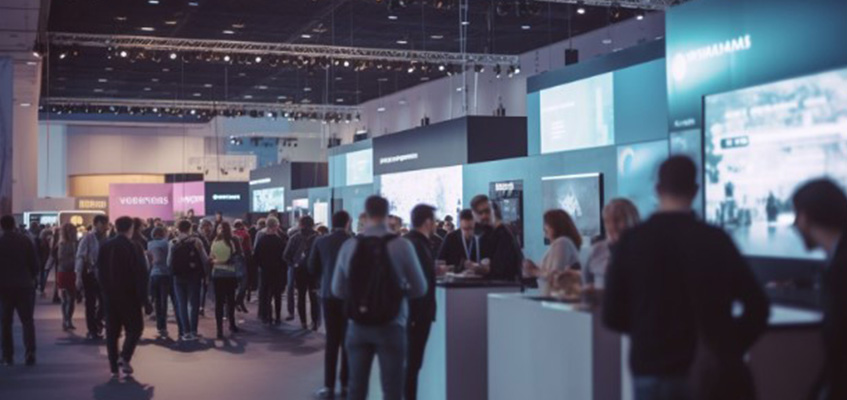
Whether you run an exhibition venue or work for a business that regularly takes part in conferences, trade shows or expos, you’ll be aware of acoustics. That is, the quality of sound in an area. Naturally, the sound quality of a space you’re trying to present in is essential. After all, if you’re not able to effectively communicate due to poor acoustics, how do you get your brand’s message across?
Whether you run an exhibition venue or work for a business that regularly takes part in conferences, trade shows or expos, you’ll be aware of acoustics. That is, the quality of sound in an area. Naturally, the sound quality of a space you’re trying to present in is essential. After all, if you’re not able to effectively communicate due to poor acoustics, how do you get your brand’s message across?
In this guide, we explain why acoustics are so important when it comes to exhibition stands and highlight how good quality exhibition design and builds can help to improve the space you’re operating in.
What is acoustics?
Put simply, acoustics is the science of sound. This includes everything from sound production and transmission to its actual effects on humans and the environment in question. When it comes to exhibitions, in this context acoustics is typically used to describe the quality of sound experienced in a venue or space. As touched on above, the quality of sound can significantly impact how information is communicated and received. For this reason, choosing the best venue for an exhibition, and then using the right design, graphics and materials within your allocated space is essential.
Why is acoustics important at exhibitions?
It’s no exaggeration to say that acoustics can make or break a delegate’s experience at an exhibition. A well-designed acoustic environment enhances the overall ambiance of your exhibition space, and makes it more conducive to effective communication and engagement. On the other hand, poor acoustics can hamper communication and frustrate visitors. Subsequently, this could negatively impact the perception of your brand that delegates take away with them.
Below we take a look at the three major reasons acoustics are so important at exhibitions.
1. Communication
Exhibitions are all about communication. They are designed for brands to showcase themselves, or a specific product or service they over, to the masses. Therefore, in order to be effective, strong communication is key. Whether it's a product demonstration, a speaker presentation, or a casual conversation between attendees, if delegates are unable to hear you easily, your intended message could be lost.
2. Engagement
The whole point of exhibitions, conferences and expos is to engage with delegates. To do this, you need both eye-catching visual exhibition graphics and a positive auditory output. Poor acoustics can lead to attendee frustration and disengagement.
3. Brand representation
At the end of the day, exhibitions are platforms for brands to showcase their products and services. In doing this, brand reputations and perceptions can be formed and altered, both positively and negatively. The acoustics of a brand’s exhibition space can reflect the professionalism and attention to detail of a presenting brand. While crisp and clear audio can enhance the perceived quality of the brand, poor acoustics can damage brand reputation.
How to create good acoustics in an exhibition room
Above all else, creating good exhibition space acoustics comes down to good design, clever use of sound-absorbing materials, and the implementation of technology. To help you achieve optimal acoustics at your next exhibition, check out our top tips below:
Assess the space you have
Before doing anything else, it’s important to analyse the size and layout of the space you have been allocated. After all, larger spaces will require different acoustic solutions when compared to smaller, enclosed areas. Before you can think about design or material use, an understanding of your space’s dimensions is essential.
Choose appropriate stand materials
Hard surfaces like concrete, glass and metal aid sound reflection and echoes. On the flip side, soft materials such as acoustics panels, carpeting and even curtains can absorb sound, leading to better sound quality in your space. With this in mind, try to integrate sound-absorbing elements into your exhibition space. For example, acoustics panels, dividers and partitions - made from sound-absorbing Coala Textile Sound Touch and Coala Textile Sound Line, for example - can be strategically placed on your stand, walls and ceilings. These panels serve to improve acoustics and can even boost the aesthetics of your space through clever incorporated visuals. These space dividers can also be used to create more inviting, intimate spaces that delegates will want to engage with.
Similarly, the use of carpeting, rugs and curtains can also really improve the acoustics of your area. If the exhibition space has hard flooring and you’re located near to large windows, these simple items can dampen sound and improve acoustic quality.
Integrate appropriate technology
As well as physical elements, the use of technology can also ensure a better sound experience for delegates. Think about investing in a high-quality sound system appropriate for the size of the space you’re operating in. Try to also place speakers strategically. This will help to ensure the sound you generate is distributed equally, and there are not excessively noisy areas or ‘radio-silence’ zones.
If the exhibition centre you are operating in is particularly large and busy, you may also want to invest in ambient sound technology. For example, white noise machines can be used to drown out unwanted background noise and maintain a comfortable acoustic environment.
Maintain your area
Due to the busy nature of exhibitions and conferences, even over the course of a week, your space can be impacted by wear and tear. That’s why regular maintenance is important. With this in mind, try to periodically inspect and maintain the acoustic elements in your exhibition space. This should include making sure that panels are clean, sound systems are in working order, and any wear and tear on materials is promptly addressed.
Remember - the significance of exhibition acoustics lies in its ability to shape delegate experience, influence communication, and enhance the overall effectiveness of the event. By understanding the principles of acoustics and implementing thoughtful design and technology solutions, your brand can create environments that leave a lasting impression on their audience.
Here at Antalis, we understand the importance of aesthetically-pleasing and acoustically-sound exhibition design. To find out about how our experts can help you design the perfect exhibition space, get in touch today.