
Can you advertise a business on your vehicle?

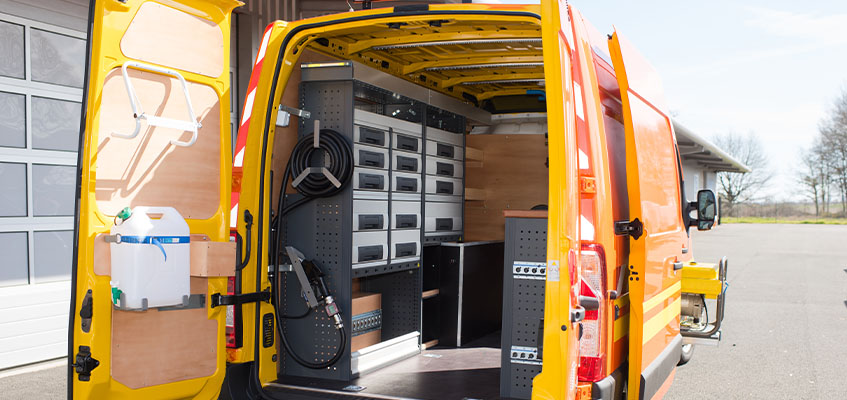
When it comes to advertising, businesses are always seeking creative, innovative ways to promote their products or services and grab the attention of potential customers. One effective way of doing this is through vehicle advertising.
When it comes to advertising, businesses are always seeking creative, innovative ways to promote their products or services and grab the attention of potential customers. One effective way of doing this is through vehicle advertising.
This type of advertising involves using a vehicle, whether it’s a car, van, or truck, for promotional messaging purposes. Vehicle advertising can be in the form of car wrapping, magnetic signage, mobile billboards and even roof-top displays.
This method of advertising enables businesses to reach a wide, diverse audience - but can you advertise on your own car, and does this type of promotion even work? In this article, we explore whether this type of advertising could be an option for you.
Can you advertise on your car?
In the UK, it is perfectly acceptable to advertise on your car. However, there are specific regulations you will need to take into consideration.
Guidelines put in place by the Advertising Standards Authority (ASA) include strict rules in regards to vehicle advertising - specifically Section 19 of the CAP Code. One example of this concerns safety and states that the advertisement must not distract drivers or encourage motorists to drive irresponsibly or break the law.
Generally speaking, vehicle advertisements should be truthful, accurate and provide clarity. It’s also important to ensure that the adverts will not offend others, taking societal norms into consideration to avoid offensive content.
There are also legal considerations to take into account. For instance, advertisements should not obstruct the vehicle’s registration details or prevent authorities from viewing this information. It’s also important to note that an advertisement must not obstruct the view of the driver as this would be illegal and could result in a significant fine for dangerous driving.
Can you advertise on a privately-owned car?
Yes, you can advertise on a privately-owned car. However, whether you decide to fully or partially wrap your car, it’s important that you take the guidance from the ASA (outlined above) into consideration.
It’s also important to think carefully about the information you will display on your car. When promoting a business, for example, you should make sure to include vital information such as the business name, logo, telephone number or website address.
Bear in mind that the people who see your vehicle will often be in a car themselves, meaning they will not typically have a pen and paper to hand to make a note of your details. Ideally, your information should be easy to recall from memory.
What is fleet advertising?
Fleet branding is when a number of vehicles are modified to feature the same or similar advertisement. This is a powerful marketing technique that increases the visibility of a brand on the roads and can in turn boost consumer awareness.
A business can promote its brand by modifying the appearance of a number of vehicles using a combination of colours, graphics and text. The aim is to create a recognisable, professional appearance across the vehicles within the fleet.
Just about any business that uses vehicles can benefit from fleet advertising. This marketing tactic essentially turns the fleet into a moving advertisement that’s visible to a wide pool of people whenever the vehicles travel.
Does vehicle advertising work?
Vehicle advertising is an effective way to promote your business on the move. Modifying the appearance of your car with your business’ information gives you the opportunity to reach your target audience - and not just locally. Since vehicles can travel far and wide, this type of advertising means you can potentially capture the attention of people up and down the country, especially if you invest in fleet advertising.
What’s more, since vehicle advertising can expose your business to a wider audience, in theory, you could expect this to lead to increased sales.
Do you have to let your insurance provider know if you’re advertising on your car?
You should notify your insurance provider if you plan to advertise on your car as soon as possible. It is best to do this before you modify your car to include the advertisement to ensure your policy is still valid after the fact.
For example, regardless of whether you are wrapping your car for the first time or you’ve done it before, your insurance provider may now consider the vehicle to be more visible, especially if the colour and style of your advertisement is particularly attention-grabbing. In turn, this could mean that it will be more of a target for vandalism or theft. The fact that you are advertising a business on the car could also suggest that there are potentially expensive tools or materials inside the vehicle. As a result, you could expect your premium to increase, but this can vary between providers.
If you do not inform your insurer of this change, you may be in breach of the terms and conditions of your insurance policy. In turn, this could mean that your policy is revoked.
Aside from your insurer, you must also notify the Driver and Vehicle Licensing Agency (DVLA) that you have modified your car for advertising purposes as soon as possible. The DVLA considers that, although you are not making a permanent change to the originality of the vehicle, you are still altering its appearance, meaning that this must be registered accordingly.