
Packing Paper
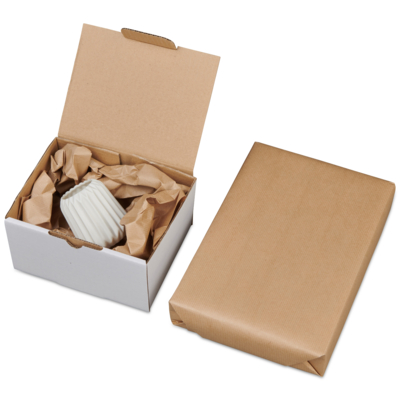
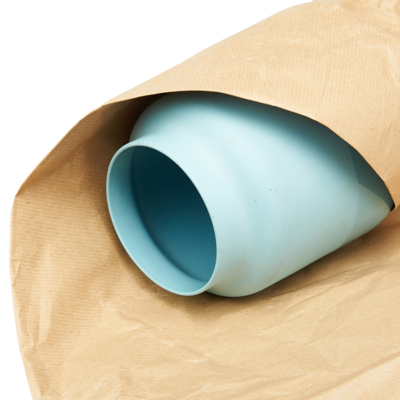
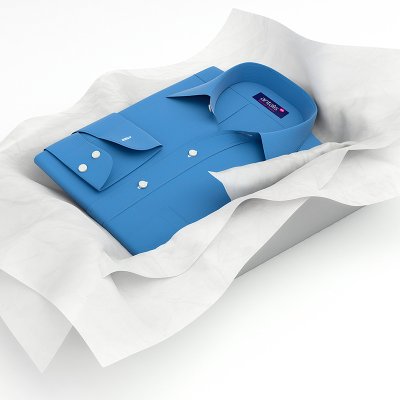
Antalis offers a range of packing papers, including newsprint offcuts and tissue paper. Newsprint offcuts, made from recycled paper, are free of print and provide an economical option for wrapping, interleaving, padding, and void filling. Packing tissue is lightweight, soft, and flexible, making it ideal for wrapping delicate items, interleaving layers, or serving as void fill in larger packages.

Is packing paper recyclable and environmentally friendly?
Yes, packing paper is both recyclable and environmentally friendly. Newsprint offcuts are made from recycled paper, and packing tissue is also widely recyclable. Many options are biodegradable and compostable, providing an eco-conscious alternative to plastic-based packaging materials. Choosing packing paper reduces waste while ensuring reliable protection for products.
How does packing paper compare to bubble wrap for product protection?
Packing paper is an effective and sustainable alternative to bubble wrap, providing cushioning and surface protection for products. While bubble wrap offers higher impact resistance, packing paper is more flexible and economical, making it ideal for wrapping, interleaving, and filling voids in packaging. For delicate items, tissue paper provides a soft barrier, while newsprint offcuts offer lightweight padding. Packing paper is also fully recyclable, unlike many plastic-based alternatives.
What industries commonly use packing paper for packaging and storage?
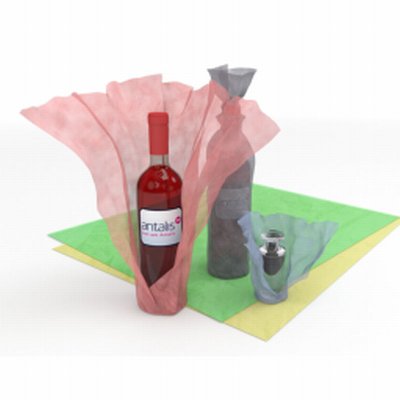
Packing paper is widely used across various industries, including ecommerce, retail, automotive, manufacturing, and logistics. It is essential for wrapping glassware, bottles, textiles, and automotive parts to prevent surface damage. Businesses handling fragile or high-value goods, such as jewellery and homeware brands, also rely on packing tissue for added protection during storage and transit.