
Pallet Strapping


What are the different types of pallet strapping materials?
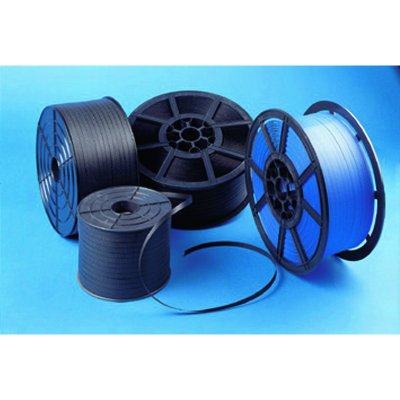
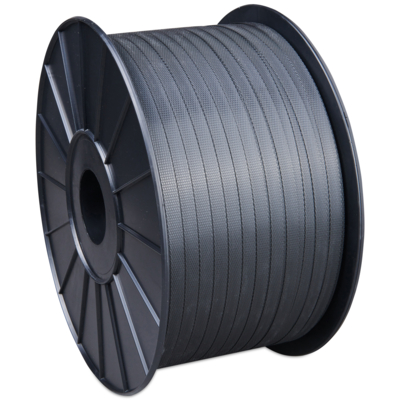
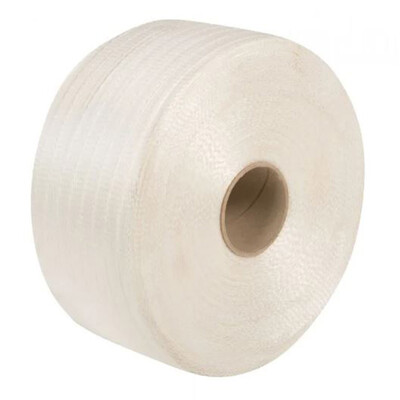
Pallet strapping comes in different materials, each suited to specific load types and applications. Polypropylene hand strapping is a flexible and economical option for securing light to medium-weight goods. It is resistant to scrapes and knocks, making it suitable for both manual and machine use. Polyester strapping (PET) offers higher tensile strength and shock absorption, making it a durable alternative to steel for heavy loads. Woven cord polyester strapping is another strong and lightweight option. It doesn’t rust or damage surfaces, making it ideal for industrial bundling and securing heavy pallets.
What is the difference between machine strapping and hand strapping?
The key difference between hand and machine strapping is in the application method and efficiency. Polypropylene hand strapping is applied manually using tools such as tensioners, buckles, or seals. It’s best for low-volume strapping or irregularly shaped loads. Polypropylene machine strapping, on the other hand, uses semi-automatic or fully automatic strapping machines to apply the strap quickly and consistently. This method is ideal for high-volume operations, ensuring uniform tension and secure loads.
How strong is pallet strapping, and what weight can it hold?
Pallet strapping strength varies by material and application:
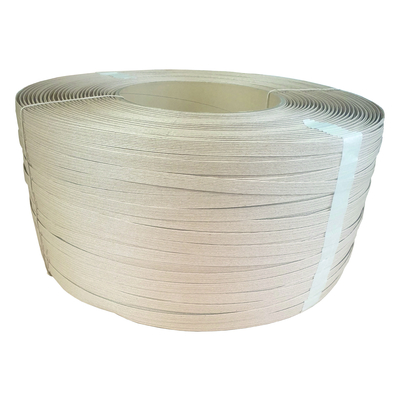
• Paper strapping - Breaking strength up to 70KGs – ideal for lightweight goods where sustainability is important.
• Polypropylene strapping – Breaking strength up to 300kg, ideal for light to medium-weight goods.
• Polyester strapping (PET) – Breaking strength up to 401kg, offering superior mechanical properties and load stability.
• Woven cord polyester strapping – High break strength and flexibility, often used for heavy-duty applications.
Can pallet strapping be recycled?
Yes, many types of pallet strapping are recyclable. PET strapping band Master’in Expert is an eco-conscious alternative to steel strapping, offering high resistance to tearing, heat, and UV exposure. This type of polyester strapping can be recycled, making it a sustainable choice for securing heavy loads, pallet storage, and outdoor applications.